Carts filled, orders never placed
Checkout instrumented step by step, then rebuilt around wherever the drop actually happens.
Storefronts built to convert, on a backend that holds up when a campaign lands and orders arrive faster than anyone planned for.

A store has two jobs: persuade someone to buy, and take the money without losing the order. Most builds do the first well and the second badly. We treat checkout, inventory and fulfilment as part of the design problem, not as plumbing.
Storefronts built to convert, with the backend to support real order volume.
Every step measured, every field justified, abandonment tracked as a first-class metric.
Core Web Vitals budgeted and enforced in CI, because most of your traffic is not on fiber.
Inventory synced with your ERP or POS, so the site cannot sell what the warehouse does not have.
Load-tested against your worst realistic day before that day arrives.
Checkout instrumented step by step, then rebuilt around wherever the drop actually happens.
Performance budgets, image strategy and edge caching, with Lighthouse in the build pipeline.
Real-time sync between store, POS and ERP, with reconciliation alerts when they disagree.
Load testing and autoscaling ahead of the season, rehearsed rather than hoped for.
Custom themes and headless front ends built around your catalog, not a template.
Fewer steps, clearer errors, wallets and local payment methods.
Multi-gateway, multi-currency, with tax and duties handled correctly at the border.
Variants, bundles, search and filtering that work at thousands of SKUs.
Orders, stock and customers flowing both ways without a spreadsheet in the middle.
Billing, dunning and self-service plan changes.
Core Web Vitals budgets, edge caching and image pipelines.
Clean event tracking and A/B testing so changes can be judged on evidence.
Chosen per project, not per habit — the stack follows the problem.
Your checkout numbers, what people search for, and the exact steps where they give up.
What you sell, how people pay, what shipping costs, and how it all talks to your stock and your accounts.
Storefront built, catalog imported, and payment and tax tested with real transactions rather than demo ones.
On phones, on desktop, on a slow connection, and with your own team placing real orders before launch.
Live and monitored, then tuned on what real customers actually do rather than what we expected.
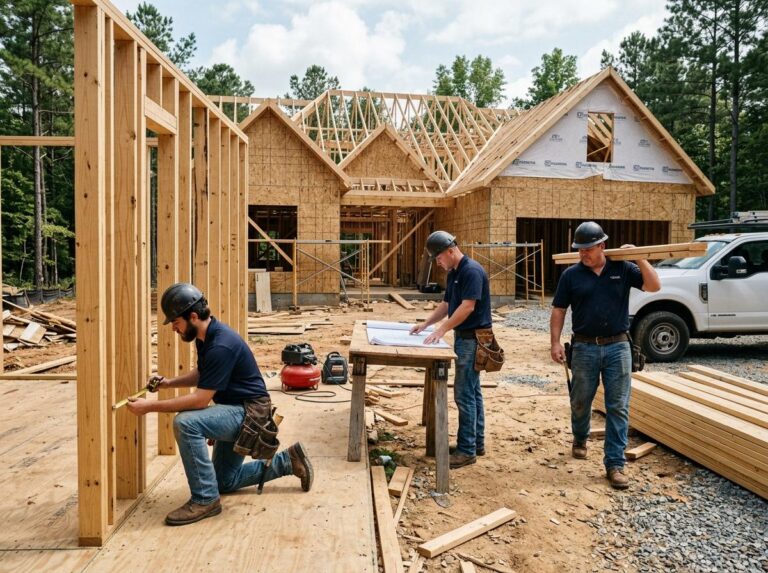
 Retail & E-commerce
 Hospitality & Tourism
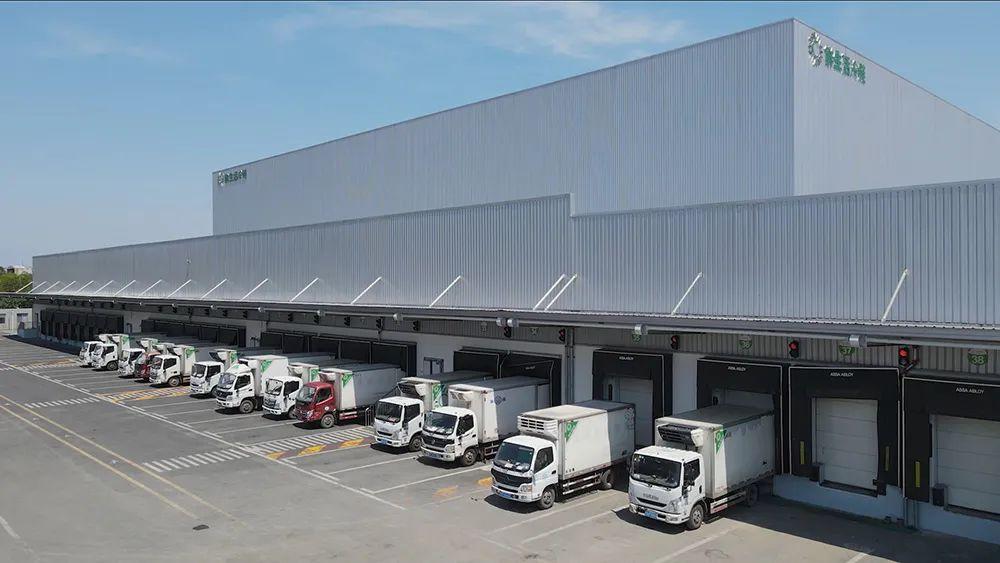 Transportation & Logistics
Strategy, design, engineering and support in one place. Nothing is handed to a third party.
You see something real in weeks. Progress is demonstrated, not described.
Documented, tested and yours. No lock-in to us as a vendor.
Four decades of keeping systems running, applied to the software layer too.
Start with one and move between them as the work changes.
A defined scope with a fixed price
Proving an idea before you over-invest
Ongoing work with shifting priorities
Keeping what you have fast and safe
An MVP sprint runs six to ten weeks from kickoff to a live product. A full build is usually three to six months depending on integrations. Maintenance retainers are ongoing. We give a range at proposal stage and a fixed date once scope is agreed — and if something slips, you hear it in that week’s update rather than at the end.
Fixed price for defined scope, a fixed fee for an MVP sprint, and a monthly rate for dedicated teams and support retainers. We do not bill hourly for delivery work — it rewards the wrong thing. Estimates come with the assumptions written down, so when something changes you can see exactly what moved.
You do, in full, from the first commit. Repositories are in your organisation, infrastructure is in your accounts, and design files are shared with your team. There is no license to renew and no dependency on us to keep operating. If you want to take the work in-house, we will help with the handover.
Two weeks of hypercare is included with every build — the team that shipped it stays on call for bugs and adjustments. After that most clients move to a support retainer covering monitoring, updates and a monthly allowance for changes. Some take it in-house instead, which is a perfectly good outcome.
Yes, and often that is the better arrangement. We can embed alongside your developers, take one workstream while they take another, or pick up an existing codebase. For inherited code we start with a short audit so both sides know what we are dealing with before committing to a timeline.
Small changes are absorbed. Anything that moves the date or the price gets written up as a change note with both impacts stated, and nothing starts until you approve it. The point is that there are no surprises at invoicing — you should always know what a decision costs before you make it.
For anything beyond a small, well-defined piece, yes. A paid discovery phase of one to two weeks produces a scope, an architecture outline and a costed plan — which you own and are free to take to another supplier. Quoting a complex build without it produces a number that is wrong in one direction or the other.
We agree the success measures before starting and instrument for them during the build, so the data exists from launch day rather than being retrofitted. That might be conversion rate, time saved per week, support ticket volume or crash-free sessions. If a number cannot be named up front, that is usually a sign the scope is not clear yet.
A 30-minute call is usually enough to tell you whether we are the right fit, what it would take, and roughly what it would cost. No deck, no pressure.