The scope keeps growing
A fixed sprint with a named hypothesis; anything that does not test it goes on a later list.
A real, working first version — scoped to answer one question about your idea before you spend a year and a budget finding out the hard way.

An MVP is not a cheap version of the real product. It is an experiment with a hypothesis, a success measure and an end date. We help you decide what the riskiest assumption is, build the smallest thing that tests it, and put it in front of real users.
A working first version, scoped to test the idea before you over-invest.
We agree the hypothesis and the number that settles it before writing any code.
It launches to actual customers, not a demo audience, so the signal means something.
Clean enough to extend, small enough that discarding it is not a disaster.
Go, pivot or stop — with evidence attached, not a status update.
A fixed sprint with a named hypothesis; anything that does not test it goes on a later list.
Weekly working builds from the second week, so progress is visible rather than reported.
Success metrics and instrumentation agreed up front and reviewed at the end.
Real architecture and tests from the start, so a successful MVP does not need a rewrite.
Assumption mapping and a hypothesis worth the cost of testing.
The smallest build that produces a real answer, written down and agreed.
Clickable flows in days, tested before engineering starts.
Front end, API, database and auth — a product, not a mock.
Events defined alongside features, so the data exists on day one.
Recruitment, sessions and synthesis while the product is live.
Ship, measure, adjust — typically two or three cycles inside the sprint.
Working product, metrics and a roadmap you can take into a raise.
Chosen per project, not per habit — the stack follows the problem.
The one thing that makes the rest pointless if it is wrong, and the number that would settle it either way.
The least we can build that still gives you a real answer, written down and agreed so nothing creeps in.
You get real software to use each week, not a status update.
Live and measured against that number, then carry on, change direction, or stop.
 Hospitality & Tourism
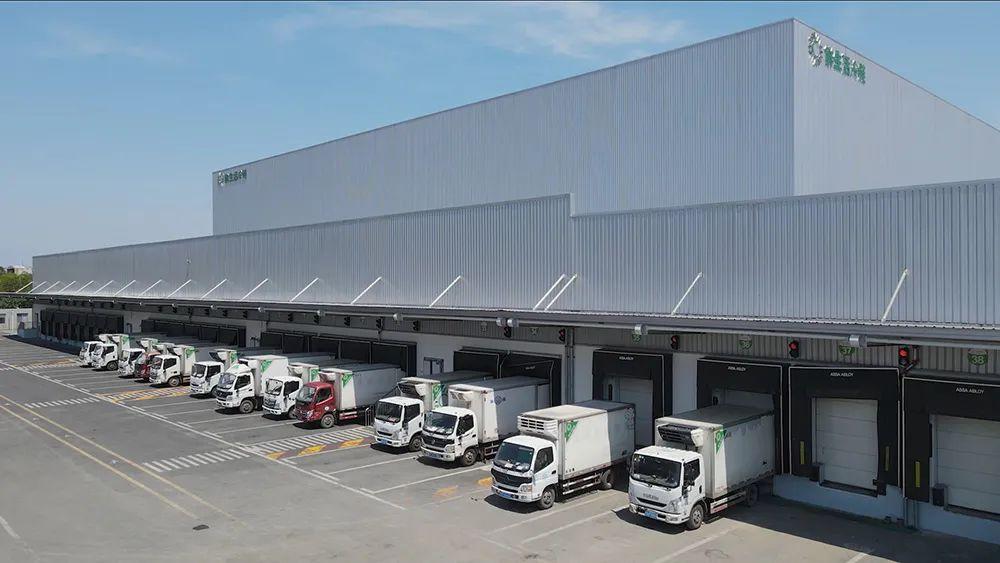 Transportation & Logistics
 Retail & E-commerce
 Tradies & Construction
Never miss a call from a job site
Tradies & Construction
Never miss a call from a job site
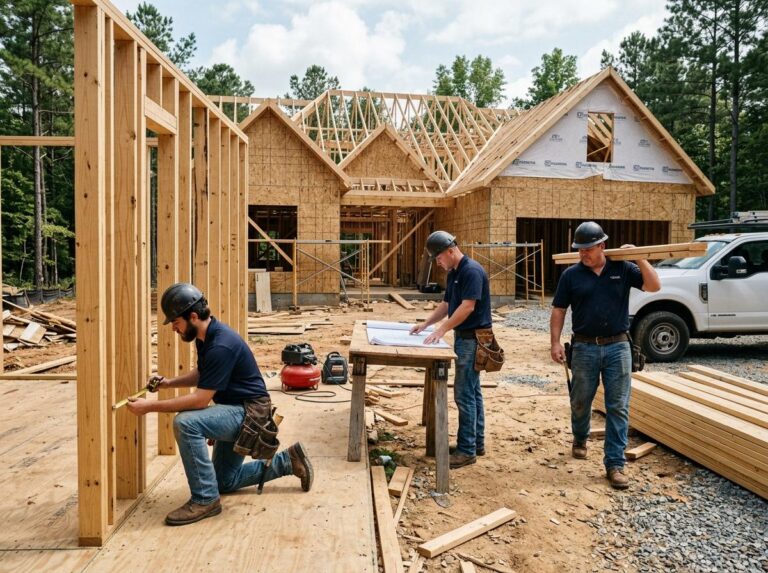 Retail & E-commerce
Keep the register and the backend in sync
Retail & E-commerce
Keep the register and the backend in sync
 Medical & Healthcare
Reliable lines when patients are waiting
Medical & Healthcare
Reliable lines when patients are waiting
 Hospitality & Tourism
Guest WiFi and front-desk systems that just work
Hospitality & Tourism
Guest WiFi and front-desk systems that just work
 Automotive
Service bay to showroom, one connected system
Automotive
Service bay to showroom, one connected system
 Transportation & Logistics
Dispatch that never drops the call
Transportation & Logistics
Dispatch that never drops the call
Strategy, design, engineering and support in one place. Nothing is handed to a third party.
You see something real in weeks. Progress is demonstrated, not described.
Documented, tested and yours. No lock-in to us as a vendor.
Four decades of keeping systems running, applied to the software layer too.
Start with one and move between them as the work changes.
A defined scope with a fixed price
Proving an idea before you over-invest
Ongoing work with shifting priorities
Keeping what you have fast and safe
An MVP sprint runs six to ten weeks from kickoff to a live product. A full build is usually three to six months depending on integrations. Maintenance retainers are ongoing. We give a range at proposal stage and a fixed date once scope is agreed — and if something slips, you hear it in that week’s update rather than at the end.
Fixed price for defined scope, a fixed fee for an MVP sprint, and a monthly rate for dedicated teams and support retainers. We do not bill hourly for delivery work — it rewards the wrong thing. Estimates come with the assumptions written down, so when something changes you can see exactly what moved.
You do, in full, from the first commit. Repositories are in your organisation, infrastructure is in your accounts, and design files are shared with your team. There is no license to renew and no dependency on us to keep operating. If you want to take the work in-house, we will help with the handover.
Two weeks of hypercare is included with every build — the team that shipped it stays on call for bugs and adjustments. After that most clients move to a support retainer covering monitoring, updates and a monthly allowance for changes. Some take it in-house instead, which is a perfectly good outcome.
Yes, and often that is the better arrangement. We can embed alongside your developers, take one workstream while they take another, or pick up an existing codebase. For inherited code we start with a short audit so both sides know what we are dealing with before committing to a timeline.
Small changes are absorbed. Anything that moves the date or the price gets written up as a change note with both impacts stated, and nothing starts until you approve it. The point is that there are no surprises at invoicing — you should always know what a decision costs before you make it.
For anything beyond a small, well-defined piece, yes. A paid discovery phase of one to two weeks produces a scope, an architecture outline and a costed plan — which you own and are free to take to another supplier. Quoting a complex build without it produces a number that is wrong in one direction or the other.
We agree the success measures before starting and instrument for them during the build, so the data exists from launch day rather than being retrofitted. That might be conversion rate, time saved per week, support ticket volume or crash-free sessions. If a number cannot be named up front, that is usually a sign the scope is not clear yet.
A 30-minute call is usually enough to tell you whether we are the right fit, what it would take, and roughly what it would cost. No deck, no pressure.