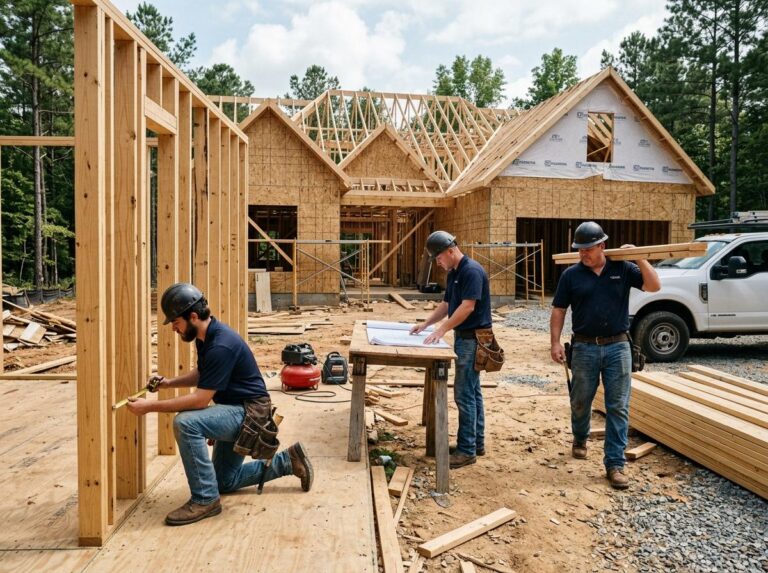
Users drop off and nobody knows where
Session recordings and funnel analysis first, so redesign decisions are based on behavior rather than opinion.
Research, interface design and a design system your engineers can actually build from — so the thing that ships is the thing that was designed.

Most products do not fail because they look wrong. They fail because nobody watched a real person try to use them before launch. We design in the open, test early, and hand over a system rather than a folder of screens.
Interfaces designed around how your customers actually behave.
Clickable prototypes go in front of real users while changes still cost hours, not sprints.
Components, tokens and states, documented so the build matches the design.
WCAG 2.1 AA contrast, focus order and touch targets checked as part of design, not retrofitted.
Specs, edge cases and empty states written down, so nobody has to guess at 2am.
Session recordings and funnel analysis first, so redesign decisions are based on behavior rather than opinion.
One design system with real components, so consistency is the default rather than a review comment.
We spec states, breakpoints and edge cases, and stay available through the build to answer questions.
Contrast, keyboard paths and target sizes are checked while designing, which is far cheaper than fixing later.
Interviews, analytics review and competitive teardown before any design work starts.
Sitemaps, flows and navigation models that match how people actually look for things.
Low fidelity first, then clickable prototypes that can be tested with real users.
Type scale, color, spacing and motion, applied consistently across every screen.
Tokens, components, variants and documentation your team can extend without us.
Moderated sessions with recruited participants, with findings ranked by severity.
WCAG 2.1 AA audit covering contrast, keyboard navigation and screen reader behavior.
Specs, redlines, animation notes and edge cases, delivered in a format engineers can work from.
Chosen per project, not per habit — the stack follows the problem.
Understand your users, business and the problem worth solving
Turn insights into clear goals, requirements and user journeys
Explore concepts, interactions and solutions that could work
Create polished interfaces and experiences built around real users
Test, refine and prepare the experience for development
 Hospitality & Tourism
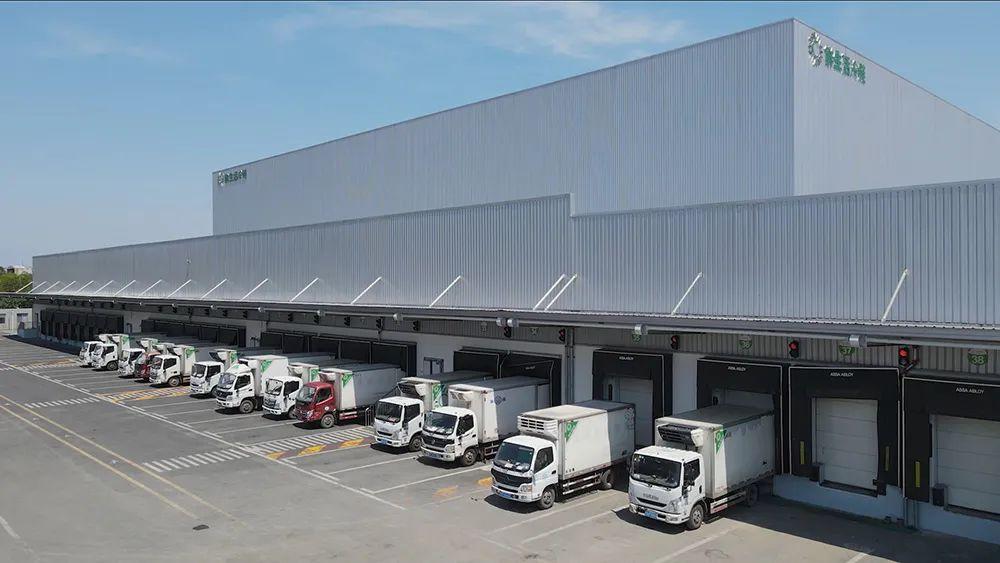 Transportation & Logistics
 Retail & E-commerce
Start with one and move between them as the work changes.
An MVP sprint runs six to ten weeks from kickoff to a live product. A full build is usually three to six months depending on integrations. Maintenance retainers are ongoing. We give a range at proposal stage and a fixed date once scope is agreed — and if something slips, you hear it in that week’s update rather than at the end.
Fixed price for defined scope, a fixed fee for an MVP sprint, and a monthly rate for dedicated teams and support retainers. We do not bill hourly for delivery work — it rewards the wrong thing. Estimates come with the assumptions written down, so when something changes you can see exactly what moved.
You do, in full, from the first commit. Repositories are in your organisation, infrastructure is in your accounts, and design files are shared with your team. There is no license to renew and no dependency on us to keep operating. If you want to take the work in-house, we will help with the handover.
Two weeks of hypercare is included with every build — the team that shipped it stays on call for bugs and adjustments. After that most clients move to a support retainer covering monitoring, updates and a monthly allowance for changes. Some take it in-house instead, which is a perfectly good outcome.
Yes, and often that is the better arrangement. We can embed alongside your developers, take one workstream while they take another, or pick up an existing codebase. For inherited code we start with a short audit so both sides know what we are dealing with before committing to a timeline.
Small changes are absorbed. Anything that moves the date or the price gets written up as a change note with both impacts stated, and nothing starts until you approve it. The point is that there are no surprises at invoicing — you should always know what a decision costs before you make it.
For anything beyond a small, well-defined piece, yes. A paid discovery phase of one to two weeks produces a scope, an architecture outline and a costed plan — which you own and are free to take to another supplier. Quoting a complex build without it produces a number that is wrong in one direction or the other.
We agree the success measures before starting and instrument for them during the build, so the data exists from launch day rather than being retrofitted. That might be conversion rate, time saved per week, support ticket volume or crash-free sessions. If a number cannot be named up front, that is usually a sign the scope is not clear yet.
A 30-minute call is usually enough to tell you whether we are the right fit, what it would take, and roughly what it would cost. No deck, no pressure.