Repetitive Manual Work
Automate routine classification, processing and routing while escalating complex cases to your team.
We design and develop intelligent digital products that use AI to automate processes, enhance customer experiences and turn complex business challenges into scalable solutions.
The useful question is not which model to use. It is which repetitive, judgement-heavy task is costing your team hours every week, and whether a machine can do the first 80% of it reliably enough to be worth checking. We start there.
Product builds with AI features woven in from day one, not bolted on after.
Every solution starts with a measurable business need.
Test accuracy and results throughout development.
Keep people involved where decisions require review.
Optimise models, usage and infrastructure to control costs.
Automate routine classification, processing and routing while escalating complex cases to your team.
Make company knowledge searchable and accessible through AI-powered assistants.
Build solutions using real data and systems from the beginning, making the transition to production easier.
Track accuracy, performance and results with structured testing and monitoring.
Where a model genuinely helps, where it does not, and what each is worth.
Vector search over your own documents, with citations and freshness controls.
Multi-step processes with review points, retries and a full audit trail.
Turning invoices, forms and contracts into structured records your systems can use.
Assistants scoped to a task, with guardrails and a clear handover to a person.
Test sets, accuracy tracking and drift alerts once it is live.
Hosted and self-hosted models, routed by cost and by how hard the request is.
Privacy review, data retention rules and human oversight where decisions carry weight.
Chosen per project, not per habit — the stack follows the problem.
Which job is eating real hours, and whether a model can realistically do most of it.
A test set and a pass mark, written down before any building starts. If it cannot hit the mark you find out cheaply.
Working with your actual systems and logins from the start, so there is no rewrite before going live.
A handful of real users, with a person checking the output and a record of every decision it made.
Accuracy tracked, a warning when it slips, and running costs watched month to month.
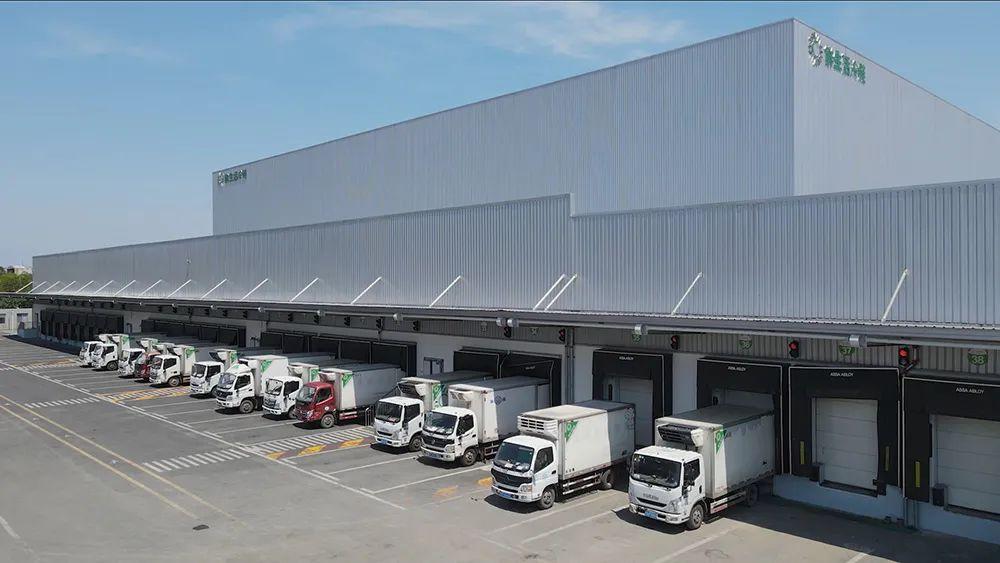 Transportation & Logistics
 Hospitality & Tourism
 Retail & E-commerce
Strategy, design, engineering and support in one place. Nothing is handed to a third party.
You see something real in weeks. Progress is demonstrated, not described.
Documented, tested and yours. No lock-in to us as a vendor.
Four decades of keeping systems running, applied to the software layer too.
Start with one and move between them as the work changes.
A defined scope with a fixed price
Proving an idea before you over-invest
Ongoing work with shifting priorities
Keeping what you have fast and safe
An MVP sprint runs six to ten weeks from kickoff to a live product. A full build is usually three to six months depending on integrations. Maintenance retainers are ongoing. We give a range at proposal stage and a fixed date once scope is agreed — and if something slips, you hear it in that week’s update rather than at the end.
Fixed price for defined scope, a fixed fee for an MVP sprint, and a monthly rate for dedicated teams and support retainers. We do not bill hourly for delivery work — it rewards the wrong thing. Estimates come with the assumptions written down, so when something changes you can see exactly what moved.
You do, in full, from the first commit. Repositories are in your organisation, infrastructure is in your accounts, and design files are shared with your team. There is no license to renew and no dependency on us to keep operating. If you want to take the work in-house, we will help with the handover.
Two weeks of hypercare is included with every build — the team that shipped it stays on call for bugs and adjustments. After that most clients move to a support retainer covering monitoring, updates and a monthly allowance for changes. Some take it in-house instead, which is a perfectly good outcome.
Yes, and often that is the better arrangement. We can embed alongside your developers, take one workstream while they take another, or pick up an existing codebase. For inherited code we start with a short audit so both sides know what we are dealing with before committing to a timeline.
Small changes are absorbed. Anything that moves the date or the price gets written up as a change note with both impacts stated, and nothing starts until you approve it. The point is that there are no surprises at invoicing — you should always know what a decision costs before you make it.
For anything beyond a small, well-defined piece, yes. A paid discovery phase of one to two weeks produces a scope, an architecture outline and a costed plan — which you own and are free to take to another supplier. Quoting a complex build without it produces a number that is wrong in one direction or the other.
We agree the success measures before starting and instrument for them during the build, so the data exists from launch day rather than being retrofitted. That might be conversion rate, time saved per week, support ticket volume or crash-free sessions. If a number cannot be named up front, that is usually a sign the scope is not clear yet.
Tell us which task is eating your team's week