Dead spots in the warehouse
A site survey maps real-world coverage, then access points are placed against that map.
Dead zones and dropped connections slow your business down. We build enterprise-grade Wireless LAN solutions that offer high-speed, secure, and uninterrupted Wi-Fi coverage for offices, warehouses, and commercial spaces.
Wi-Fi problems are almost never solved by buying a better access point. They are solved by a survey — finding out where the signal actually lands in your building, with your walls, your racking and your people in it.
Network design, disaster recovery, cloud migration, and remote-work setup — planned around where your business is headed.
We measure coverage on site before specifying a single access point.
Guest traffic is segmented onto its own network with no route into your systems.
Designed for the number of devices in a room, not the square footage of it.
Handover between access points tuned so a call survives walking the length of the building.
A site survey maps real-world coverage, then access points are placed against that map.
High-density design based on concurrent devices per area, not floor space.
Separate SSIDs and VLANs, with guest traffic routed straight out.
Roaming thresholds and channel plan tuned so handover is seamless.
Coverage measured in your building before a single access point is specified.
Guests, staff and corporate devices on separate networks with appropriate access.
Designed for concurrent devices per area, not square footage.
Handover tuned so a call survives walking the length of the building.
Printers, scanners, sensors and handhelds onto their own controlled segment.
Central management, firmware control and per-site configuration.
Branded guest access with rate limits so visitors cannot slow your terminals.
A second survey after installation to prove the coverage was actually delivered.
Chosen per project, not per habit — the stack follows the problem.
We walk the site with survey equipment and measure the signal in the exact places your team says it fails.
You get a floor plan marked with where each access point goes and why, plus the equipment list and the price.
Fitted where the plan says and cabled back to the comms room, powered over that same cable so no new outlets are needed.
We come back when the place is busy, measure again, and adjust channels and power for real conditions rather than an empty room.
A coverage map from before and after, guest Wi-Fi set up, and the passwords handed over properly.
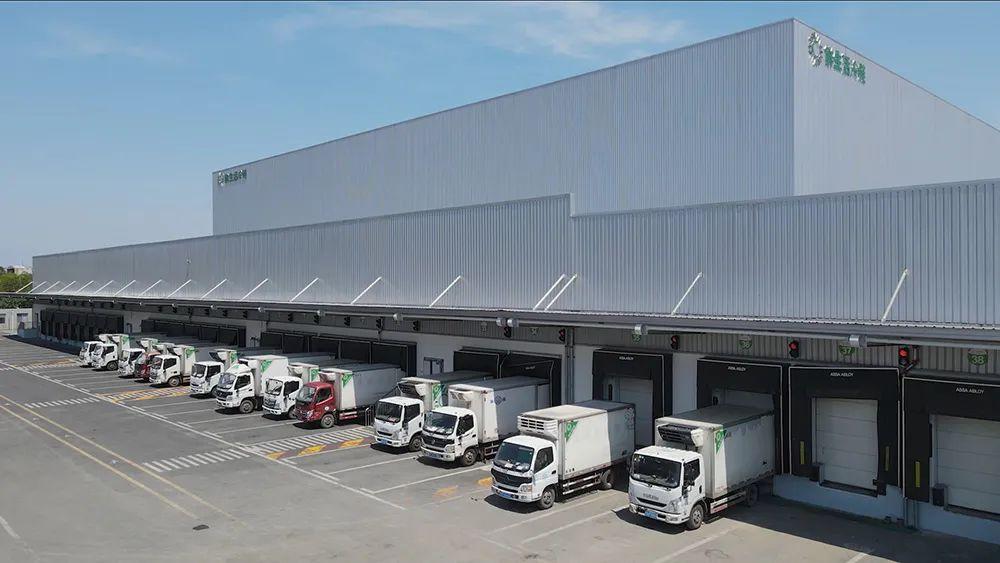 Transportation & Logistics
 Hospitality & Tourism
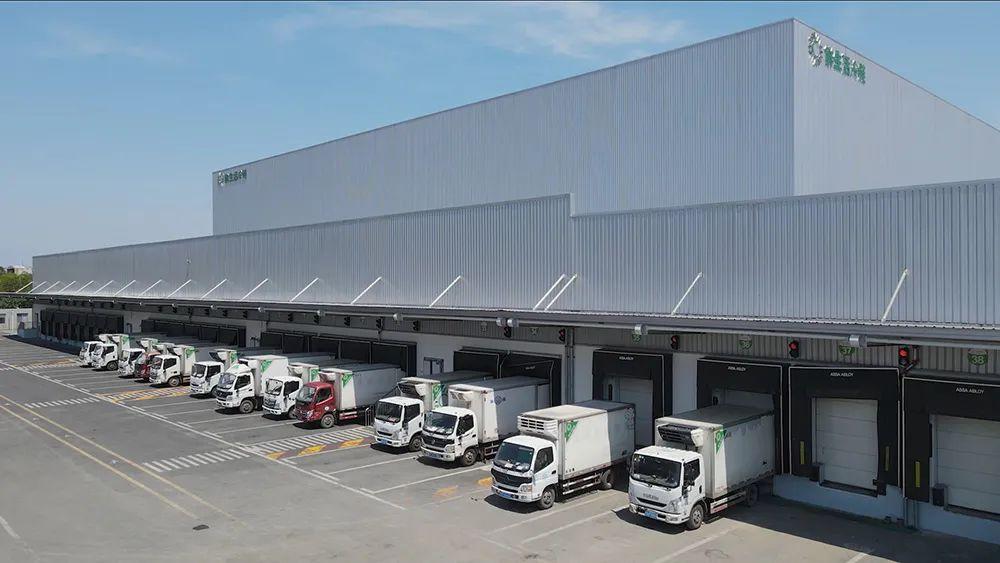 Transportation & Logistics
Strategy, design, engineering and support in one place. Nothing is handed to a third party.
You see something real in weeks. Progress is demonstrated, not described.
Documented, tested and yours. No lock-in to us as a vendor.
Four decades of keeping systems running, applied to the software layer too.
Start with one and move between them as the work changes.
Planning coverage before a single AP is mounted
Full coverage designed and fitted as one job
Fixing dead zones in a network you already have
Ongoing tuning as the building changes
Because coverage is a property of your building, not of the hardware. Racking, plasterboard, foil insulation, lift shafts and cold-storage walls all absorb or reflect signal in ways a spec sheet cannot predict. A survey measures what actually reaches each area, which usually means fewer access points in the right places rather than more in the wrong ones.
The honest answer is that it depends far more on what those devices are doing than how many there are. A rough working figure is 25 to 30 active clients per radio for general office use, dropping sharply for video calls and rising for handheld scanners. High-density areas like conference rooms are designed on concurrent load, not floor area.
Yes, and it is not optional in any environment handling payments or patient data. Guest traffic goes on its own SSID and VLAN, routed straight out to the internet with no path into internal systems. It also lets you rate-limit guests so a visitor streaming video cannot slow your point-of-sale terminals.
The corner of the warehouse, the back office, the room with the thick wall. Those spots are the survey — tell us where they are and we can usually explain the cause before we visit.