Footage exists but is useless
Resolution, angle and lighting specified per position, so faces and plates are actually readable.
WiFi cameras, motion detection, license plate recognition, and cloud recording, with alerts wherever you are.
Coverage is planned around the questions you will actually ask the footage — who came through that door, what happened at that register, which vehicle was in the lot at 2am. Cameras get placed to answer those, not to fill a quote.
Keep a watchful eye on your operations with our professional security camera installations. We provide high-definition, smart surveillance solutions that let you monitor your property securely from anywhere, at any time.
Every camera exists because there is something specific you need to see.
Live and recorded footage on mobile and desktop, securely.
Night vision and low-light performance specified for the actual lighting on site.
Cameras sit on their own network segment, so a camera is never a route inside.
Resolution, angle and lighting specified per position, so faces and plates are actually readable.
Motion and line-crossing alerts that reach a phone, not a screen nobody watches.
Retention sized to the period you need to keep, with storage to match.
Dedicated VLAN and firewall rules, because an internet-facing camera is a well-known way in.
High-definition cameras specified per position for angle, range and lighting.
Secure access to live and recorded footage from anywhere, on any device.
Recording on site, in the cloud, or both, sized to your retention period.
Motion, loitering and boundary alerts tuned to cut false positives.
Entry and exit records for yards, parking lots and service lanes.
Cameras isolated on their own VLAN with controlled outbound access.
Switching, cabling and UPS backup so the system records through an outage.
Scheduled checks that cameras are recording, aimed correctly and in focus.
Chosen per project, not per habit — the stack follows the problem.
We look at entrances, blind spots, and the questions you would actually need footage to answer.
Camera positions, picture quality and how many days of footage you keep — all priced before anything is ordered.
Cabling, mounting and focusing, with the recorder set up on its own part of the network so it cannot be reached from the office Wi-Fi.
Viewing set up on your phone, recording time confirmed, and your team shown how to pull a clip when someone asks for one.
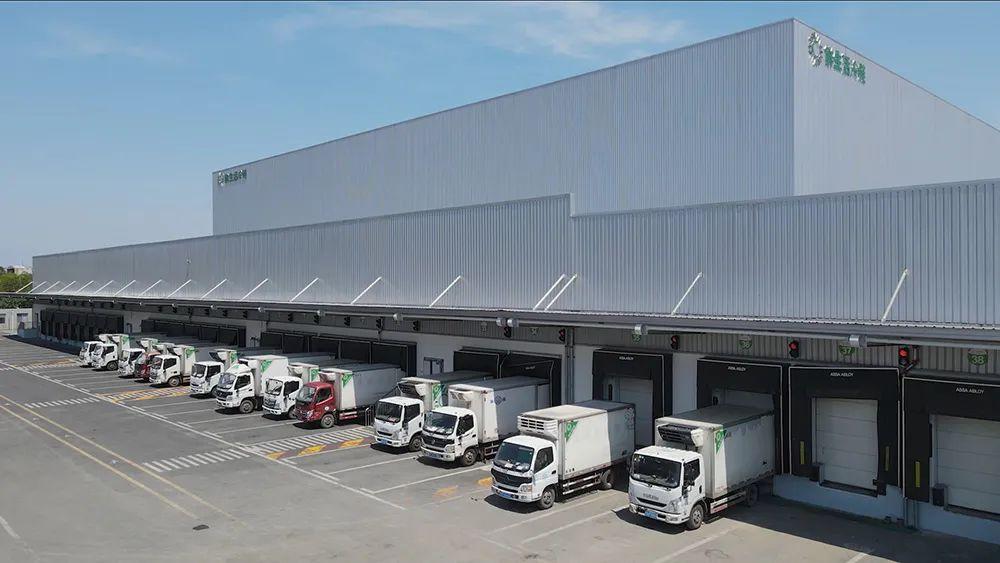 Transportation & Logistics
 Hospitality & Tourism
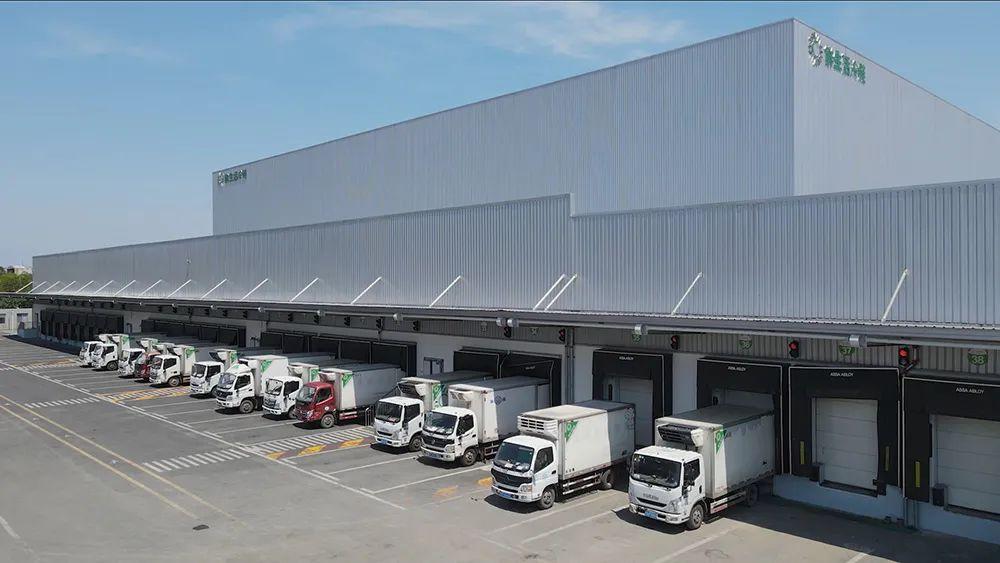 Transportation & Logistics
Strategy, design, engineering and support in one place. Nothing is handed to a third party.
You see something real in weeks. Progress is demonstrated, not described.
Documented, tested and yours. No lock-in to us as a vendor.
Four decades of keeping systems running, applied to the software layer too.
Start with one and move between them as the work changes.
Working out camera count and placement first
Cameras, recorder and cabling as one job
Better cameras on cabling you already own
Keeping footage usable for the day you need it
A standard router looks only at the packet header (where the data is coming from and where it is going). A Next-Generation Firewall (NGFW) inspects the actual payload inside the packet. Even if a packet is coming from an approved website, the firewall opens it up, scans for malware, blocks exploits, and checks if it complies with your corporate security policies.
Legacy Antivirus: Relies heavily on signatures—a database of known file hashes. If a virus is brand new or slightly altered, legacy AV fails to detect it.
EDR (Endpoint Detection and Response): Acts like a flight data recorder for your device. It continuously monitors process behaviors, registry changes, and network connections. Using behavioral analytics, it can detect and isolate an anomaly—such as a program suddenly trying to encrypt hundreds of local files—even if the malware has never been seen before.
Resolution matters less than pixels-per-foot at the distance you care about. A 4K camera covering a whole car park may give you worse plate detail than a well-placed 1080p camera on the entrance lane. We specify per position against what you need to identify — a face, a plate, or just movement.
Thirty days covers most commercial needs and most insurance requirements. Some sectors and some insurers require longer, and a few privacy regimes require shorter. Decide the period first, because it determines storage, and storage is the part of a camera quote that varies most.
They can, and they should not. Internet-connected cameras are a well-documented entry point, and camera traffic is heavy and constant. We put them on a dedicated VLAN with controlled outbound access, which isolates them from your business systems and keeps the video load off the network your staff are working on.
Start from the incident you are worried about rather than the number of cameras. The right system usually falls out of that conversation in about ten minutes.